
Surface painting process for plastic parts such as notebook car accessories
There are many surface spraying processes for plastic materials such as nylon, PP, PET, etc. Here are four basic processes for eliminating internal stress, decontamination, dust removal, and solving surface coating adhesion problems of materials.
Plastic products are prone to internal stress formation during injection molding, which can easily lead to stress concentration and cracking of plastic parts during spray painting processing. Annealing or surface treatment can be used to eliminate stress. Annealing treatment involves heating plastic parts below the thermal deformation temperature, which is 60 ℃, and holding them for 2 hours. Due to the need for a large number of baking assembly lines for this process, the whole surface treatment technology can be used, which involves preparing a solution that can eliminate internal stress in the plastic part and treating the surface of the plastic part for 15-20 minutes at room temperature.
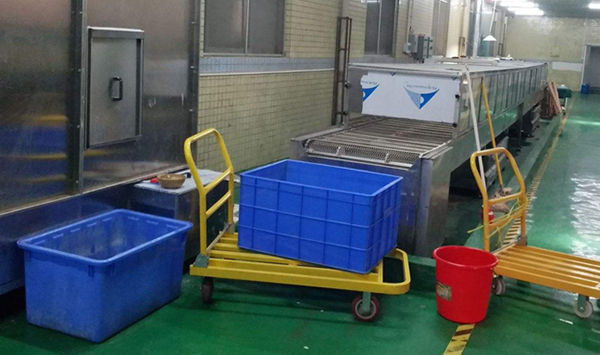
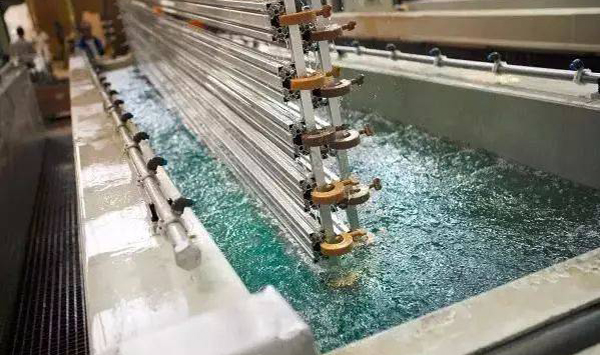
The surface of plastic parts is often stained with oil stains, hand sweat, and release agents, which can cause poor adhesion of paint materials, resulting in cracking, foaming, and detachment of the coating. Oil removal treatment should be carried out before painting processing. Plastic parts are usually cleaned with gasoline or alcohol, followed by chemical degreasing. After chemical degreasing, the residual alkaline solution on the surface of the workpiece should be thoroughly cleaned, and finally cleaned with pure water, air dried or dried.
Plastic parts are insulators with a surface resistance of generally around 1013 Ω, which can easily generate static electricity. After being charged, it is easy to adsorb small dust in the air and adhere to the surface. Due to the difficulty in removing dust adsorbed by static electricity using the general blowing method, the use of high-pressure ionized air flow for simultaneous removal of electrostatic dust has a better effect.
Due to the high surface crystallinity and low polarity of plastic materials such as nylon and PP, when spraying ordinary paint, rubber paint, PU paint, etc., the poor interlayer adhesion between the substrate and the paint results in paint peeling on the surface of the material. To solve the problem of paint peeling on the surface, a layer of adhesion promoter can be sprayed between the substrate and the paint, disrupting the molecular arrangement on the substrate surface, increasing the dyne value, and solving the adhesion problem.